
Yoga
Yoga – The Union of Body, Mind, and Soul
Yoga is an ancient Indian discipline that combines physical postures (asanas), breathing techniques (pranayama), and meditation (dhyana) to promote physical health, mental clarity, and spiritual growth. The word “Yoga” comes from the Sanskrit root ‘Yuj’, which means to join or unite. In essence, yoga is about uniting the body, mind, and spirit in harmony.
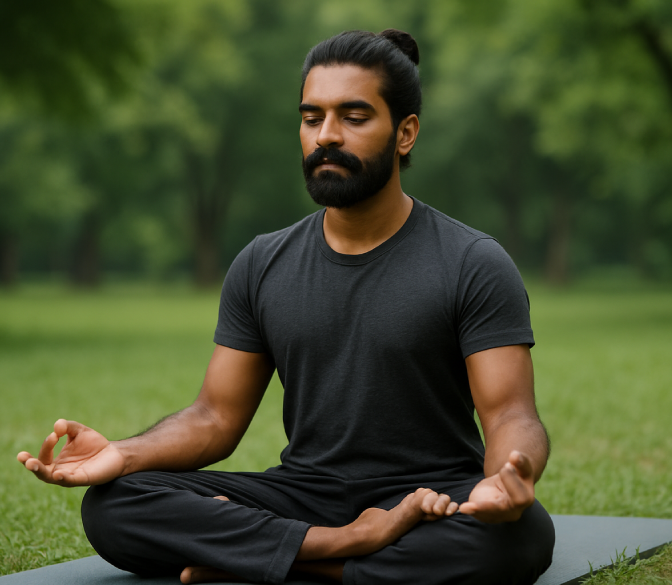
Though it originated thousands of years ago, yoga has evolved into a holistic system that benefits all aspects of life. It’s not just a form of exercise—it’s a way of living that cultivates balance, mindfulness, and inner peace.
Yoga – The Union of Body, Mind, and Soul
Yoga is an ancient Indian discipline that combines physical postures (asanas), breathing techniques (pranayama), and meditation (dhyana) to promote physical health, mental clarity, and spiritual growth. The word “Yoga” comes from the Sanskrit root ‘Yuj’, which means to join or unite. In essence, yoga is about uniting the body, mind, and spirit in harmony.
Though it originated thousands of years ago, yoga has evolved into a holistic system that benefits all aspects of life. It’s not just a form of exercise—it’s a way of living that cultivates balance, mindfulness, and inner peace.
Benefits of Practicing Yoga
- Improves flexibility and strength
- Boosts immunity and digestion
- Enhances respiratory and cardiovascular function
- Reduces stress, anxiety, and depression
- Supports hormonal balance and metabolism
- Improves focus, sleep, and emotional stability
- Promotes inner calm and spiritual awareness
What is Yoga Therapy?
While general yoga is for overall wellness, Yoga Therapy is a customized, clinical approach designed to help individuals manage or recover from specific health conditions. It combines traditional yoga practices with modern medical understanding to support healing.
In Yoga Therapy, a certified therapist tailors specific asanas (postures), pranayama (breathing), mudras, bandhas, relaxation, and meditation techniques based on a person’s health, age, ability, and medical history.
Conditions Yoga Therapy Can Help With:
- Back pain, neck pain, joint stiffness
- Diabetes and hypertension
- Thyroid and hormonal issues
- Asthma and respiratory disorders
- PCOS, infertility, and menstrual problems
- Post-surgery recovery and rehabilitation
- Sleep disorders and chronic fatigue
- Digestive imbalances like IBS, acidity, or constipation
Key Features of Yoga Therapy:
- One-on-one or small group sessions
- Root-cause-based approach
- Individualized healing journey
- Focus on breath, awareness, and alignment
- Integrates Ayurvedic and naturopathic concepts
- Safe for all ages and medical conditions
Pranayama – The Science of Breath Control
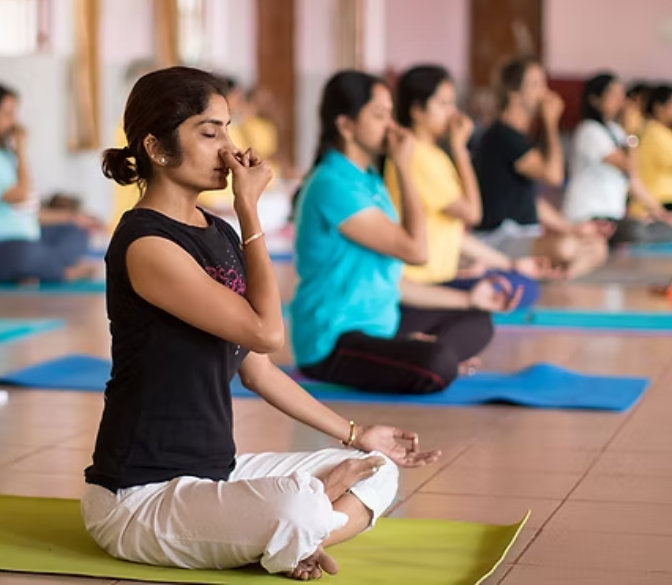
Pranayama is the fourth limb of Patanjali’s Ashtanga Yoga and refers to the regulation of breath through specific techniques. The term is derived from the Sanskrit words “Prana” (life force) and “Ayama” (expansion or control).
Breath is more than just oxygen—it carries prana, the subtle energy that sustains life. By consciously controlling the breath, we can influence our nervous system, emotions, and even the functioning of internal organs.
Common Types of Pranayama:
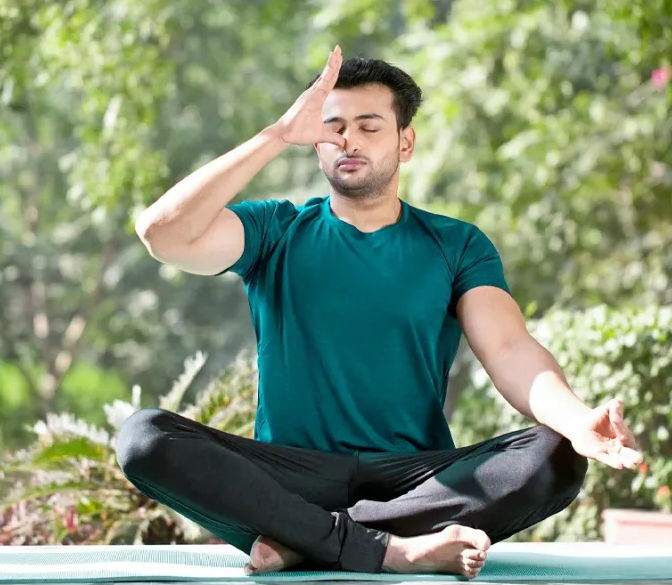
- Nadi Shodhana (Alternate Nostril Breathing): Balances both brain hemispheres, calms the mind.
- Bhastrika (Bellows Breath): Increases energy, improves lung capacity.
- Kapalabhati (Skull Shining Breath): Detoxifies lungs and sinuses, boosts metabolism.
- Bhramari (Bee Breath): Reduces anxiety, improves concentration.
- Ujjayi (Victorious Breath): Calms the mind and body; used in meditation.
- Anulom-Vilom: Balances doshas, reduces stress and hypertension.
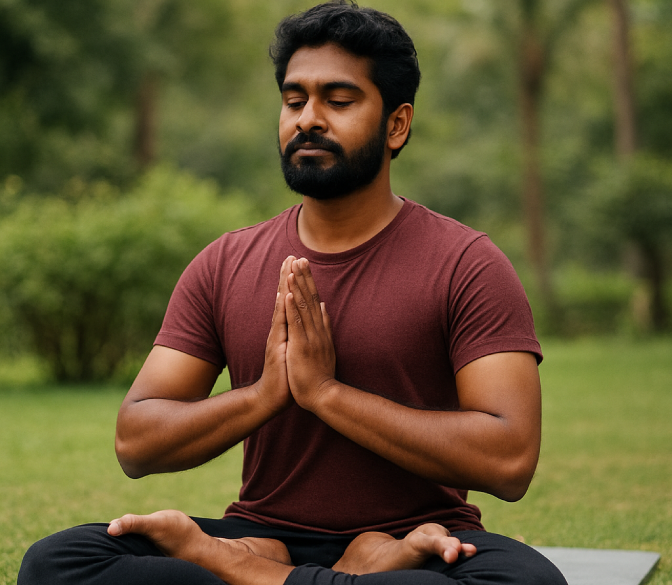
Benefits of Pranayama
- Strengthens lungs and improves oxygenation
- Reduces stress and clears mental fog
- Helps regulate blood pressure and heart rate
- Supports digestion and detoxification
- Enhances emotional balance and clarity
- Builds mental resilience and concentration
How Yoga, Yoga Therapy & Pranayama Work Together
- Yoga creates strength, flexibility, and balance.
- Yoga Therapy targets specific health issues through customized practice.
- Pranayama harmonizes energy and calms the nervous system.
This trio works holistically to prevent disease, manage chronic conditions, and promote long-term health and inner harmony
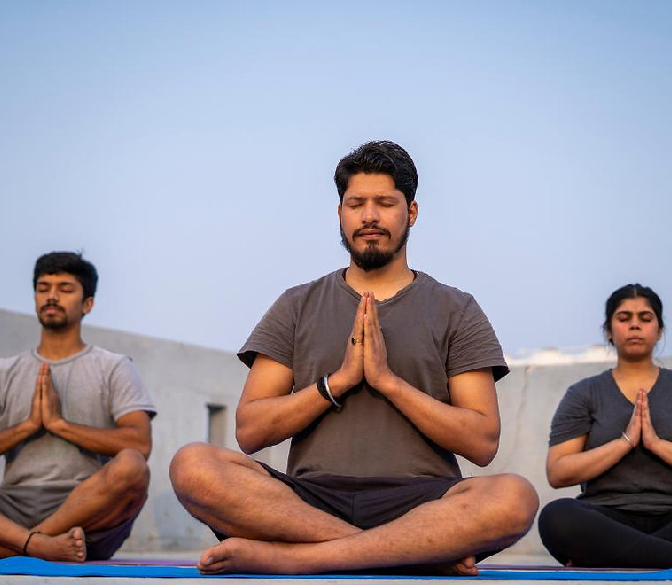
Why Choose Yoga-Based Therapies at Our Wellness Center?
Our experienced yoga therapists and Ayurvedic experts guide you through personalized programs that blend
- Classical yoga techniques
- Ayurvedic principles of dosha balance
- Breathwork and meditation
- Lifestyle and diet advice
- Safe and gentle routines for all ages
Whether you’re looking for relief from pain, better mental health, or a deeper connection to yourself, our yoga and pranayama programs are designed to help you live healthier and more mindfully—naturally.
Frequently asked questions:
What wellness services are available at the Centre?
A broad spectrum of natural therapies are offered, including Ayurveda, Naturopathy, Panchakarma detox, Therapeutic Yoga, Diet Therapy, Acupuncture, Acupressure, Physiotherapy, and Ozone Therapy.
Who is behind the foundation of the Centre?
Shri Maharaj Ji Ayurveda and Wellness Centre was established to revive India’s ancient wellness heritage, led by respected wellness visionaries and holistic experts.
What types of therapies can I expect at the Centre?
Therapies include Ayurvedic treatments, Panchakarma purification, naturopathic remedies, hydro/mud therapies, yoga, pain management, and personalized diets.
How do I get in touch with the Centre?
Contact us via the website, phone, or email. All details are in the “Contact Us” section.
How can I schedule a session or treatment?
Fill the online form or call us directly. Our team will guide you with the right treatment options.
What natural treatments are included in the wellness programs?
Includes colon hydrotherapy, Shirodhara, herbal detox, yoga, Abhyanga massage, ozone sauna, diet counseling, and more.
How do I register for a Naturopathy program?
Visit the official website or contact the helpline. Early registration is recommended.
What are the naturopathy programs focused on?
Focus areas include stress, obesity, digestive disorders, fatigue, anxiety, and toxin elimination with customized therapies.
What benefits can I expect from a naturopathy program?
Expect better energy, mental clarity, digestion, reduced stress, less reliance on medication, and long-term wellness.
What are the health benefits of Anulom Vilom and Kapalbharti
Anulom Vilom improves lung and nervous system health. Kapalbhati supports detox and core strengthening.
How is Bhastrika Pranayama different from Kapalbhati?
Bhastrika involves forceful breaths and energizes; Kapalbhati focuses on detox through sharp exhalation.
What is the proper way to perform Bahya Pranayama?
Exhale fully, hold breath out, apply Mool Bandh, Uddiyana Bandh, and Jalandhar Bandh for deep energy cleansing.